El Niño Flight Disruptions: Jet Stream, Delays & Rebooking Tips
Updated: August 4, 2026 · 10 min read
TL;DR
El Niño shifts the jet stream south and strengthens it — eastbound trans-Pacific flights get faster (shorter flight times), westbound flights face stronger headwinds and possible fuel stops. US West Coast airports see 30% more weather delays from atmospheric river storms. Thunderstorm ground stops increase at Denver and Dallas-Fort Worth. Always book morning flights during El Niño winter to avoid afternoon thunderstorm delays, and get written cancellation confirmations from airlines for insurance claims.
How El Niño Changes the Jet Stream
The Pacific jet stream is the atmospheric highway that commercial aircraft ride for fuel efficiency. During an El Niño event, warmer tropical Pacific waters pump more heat and moisture into the atmosphere, which strengthens the jet stream and shifts its position southward. The effect is strongest during the northern hemisphere winter (December through February) when the jet stream is already at its most active. This is not a minor tweak — the jet stream during a strong El Niño can carry winds 30-50% faster than in a neutral year at cruising altitudes of 30,000-40,000 feet.
For airlines, a stronger jet stream changes flight economics. Eastbound flights from Asia to North America get a push from stronger tailwinds, reducing fuel burn and flight time. Westbound flights fight stronger headwinds, burning more fuel and sometimes requiring unscheduled refueling stops. The difference is measurable: during the 2015-16 El Niño, the average Los Angeles to Tokyo flight was 25 minutes longer in the westbound direction, and Tokyo to Los Angeles was 18 minutes shorter eastbound. Over thousands of flights, these small differences add up to millions of dollars in fuel adjustments.
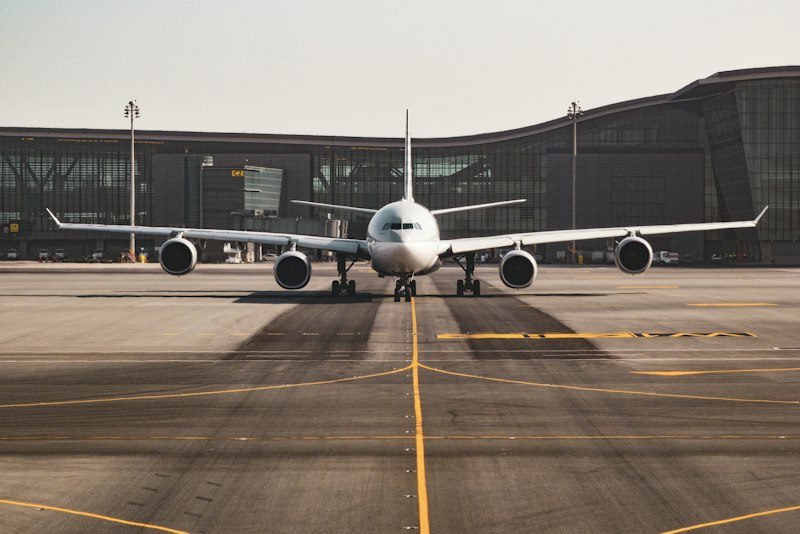
Trans-Pacific Routes: Faster East, Slower West

The trans-Pacific corridor is ground zero for El Niño's aviation effects. Here is what changes on specific routes during the December-February peak:
Asia to North America (Eastbound): Flights from Tokyo (NRT/HND), Seoul (ICN), Shanghai (PVG), and Hong Kong (HKG) to Los Angeles, San Francisco, Seattle, and Vancouver benefit from stronger tailwinds. You might arrive 15-30 minutes early on your itinerary — but don't count on it for tight connections. Airlines factor the forecast jet stream into their scheduled flight times, so the published schedule already accounts for some of the effect. The real benefit is fewer unexpected delays on eastbound routes.
North America to Asia (Westbound): The reverse direction is the problem. Flights from LAX, SFO, SEA to Tokyo, Seoul, and Shanghai face stronger headwinds that add 20-40 minutes to flight time. In the most extreme cases during the 2015-16 El Niño, some westbound flights approached the maximum certified range of their aircraft and required unscheduled fuel stops in Anchorage or Sapporo. The Boeing 787 and Airbus A350 handle this better than older aircraft — their longer range provides more margin. If you're connecting through Tokyo or Seoul on a westbound flight during El Niño winter, build in at least a 90-minute connection. Sixty minutes is the standard minimum at NRT; during strong El Niño events, westbound arrivals consistently miss that window.
South Pacific routes (South America to Oceania): El Niño also affects the southern hemisphere jet stream, but the effect is less pronounced. Flights from Santiago (SCL) to Sydney (SYD) or Auckland (AKL) can experience stronger westerly winds, adding 15-20 minutes eastbound. The Andes create additional turbulence on the South American side regardless of ENSO state — El Niño doesn't change that much.
For practical trip planning: if you need to be somewhere on time after a trans-Pacific flight, book eastbound (Asia to North America) where possible. If you must fly westbound, choose the earliest available departure — the jet stream strength typically peaks in the afternoon, so morning departures from the US West Coast face slightly less headwind resistance. And check the ENSO dashboard for the current jet stream analysis before booking long-haul Pacific flights.
US West Coast Storm Delays
El Niño-driven atmospheric river events are the biggest source of flight disruptions for California, Oregon, and Washington airports. These narrow bands of concentrated moisture can drop several inches of rain in hours, creating low visibility, crosswind limits, and flooded runways. During the 2015-16 El Niño, San Francisco International (SFO) recorded 30% more weather-related delays than the 10-year average, concentrated in the January-February window. Los Angeles International (LAX) and Seattle-Tacoma (SEA) saw similar increases.
The cause is specific: El Niño atmospheric rivers are warmer than normal, carrying tropical moisture from near Hawaii along the "Pineapple Express" pathway. Warmer air holds more moisture, which means heavier precipitation rates — and more frequent trigger events for ground stops and flow-control programs. At SFO, the main constraint is the parallel runway configuration: when visibility drops below a certain threshold, the airport loses 40% of its arrival capacity because the runways are too close together for simultaneous instrument approaches. SFO can handle about 60 arrivals per hour in good weather but drops to 30-35 during low-visibility atmospheric river conditions. The math is unforgiving — delays cascade quickly.
Airports with the highest El Niño delay risk (January-February):
- San Francisco (SFO) — parallel runway constraints + frequent atmospheric river events = the worst West Coast hub for El Niño delays. Morning flights (before 10 AM) are significantly more reliable because atmospheric rivers often intensify through the day.
- Los Angeles (LAX) — less runway constrained than SFO but handles higher volume. Thunderstorms embedded in El Niño fronts cause more ground stops at LAX than people expect for Southern California.
- Portland (PDX) — less affected than SFO/LAX due to inland location and lower traffic volume, but freezing rain events increase when cold air meets El Niño moisture.
- Seattle (SEA) — generally handles El Niño rain better than California airports. The main constraint is occasional wind storms that exceed crosswind limits for the north-south runways.
Practical advice: during El Niño winter (December-February), book flights departing before 10 AM when connecting through SFO, LAX, or SEA. Afternoon and evening flights accumulate delays from upstream disruptions. Allow 2+ hours for connections through these hubs during the peak winter storm window. For more on how this affects broader travel planning, see our El Niño travel guide.
Thunderstorm Ground Stops in the Central US
El Niño shifts the southern branch of the jet stream, which increases thunderstorm activity across the southern tier of the United States — Texas, Oklahoma, Louisiana, and the Gulf Coast. For aviation, this means more frequent ground stops at major connecting hubs. Denver (DEN) and Dallas-Fort Worth (DFW) are particularly affected because El Niño springs (March-May) bring more organized thunderstorm complexes across the southern Plains that box in air traffic corridors.
Denver is an interesting case: El Niño typically brings above-average snowfall to the Front Range and more frequent spring thunderstorms. The airport's location east of the Rockies puts it in the path of upslope-enhanced storm systems that develop rapidly in El Niño spring conditions. DFW sees more frequent mesoscale convective systems — large thunderstorm clusters that can close arrival corridors for 2-4 hours at a time. During the 2015-16 El Niño, DFW had 28 separate ground stops of 60 minutes or longer between March and May, compared to an average of 14 for the same period in non-El Niño years.
If you're connecting through DEN or DFW during an El Niño spring, follow the same rule as the West Coast: book morning connections. Thunderstorm activity peaks in the late afternoon and evening. A 7 AM departure through DFW has a dramatically lower delay probability than a 3 PM departure. And avoid the last flight of the day — if it cancels, you're stuck overnight. The second-to-last flight gives you one more chance if weather disrupts the schedule.
Airline Rebooking Policies During Weather Events
Airlines have specific policies for weather-related disruptions, and El Niño increases the frequency of these events. Here is what each major carrier's policy looks like during weather events, based on their published contracts of carriage and actual 2023-24 El Niño season performance:
United Airlines: Issues "travel waivers" 24-72 hours before forecast weather events at affected airports. During an active waiver, you can change your flight to any available seat within a 7-10 day window without paying a fare difference or change fee. Refunds are only available if United cancels the flight — not if you preemptively cancel under the waiver. United's SFO and DEN hubs are among the most El Niño-affected airports, so their waiver issuance is more frequent during El Niño winters.
Delta Air Lines: Offers flexible rebooking through travel waivers similar to United. Delta's Atlanta hub is less affected by El Niño than West Coast hubs, but the carrier's extensive network means connecting itineraries can be disrupted downstream. If your first segment is fine but your connection is weather-cancelled, Delta will rebook you on the next available flight at no cost. During major weather events, Delta's app-based rebooking typically works faster than calling — the phone lines get overwhelmed within minutes of a weather ground stop.
American Airlines: DFW is American's largest hub and the most El Niño-thunderstorm-affected major hub in the US. American issues frequent weather waivers for DFW during the March-May period. Their policy: same-day confirmed change for free during a waiver, or rebook within the waiver window. If you hold AAdvantage elite status, the rebooking priority is higher and you can sometimes get confirmed on oversold flights when non-status travelers cannot.
Southwest Airlines: Has the most flexible weather rebooking policy among US carriers — no change fees exist at all on any fare type. During weather events, you can rebook to any available flight within 14 days of your original date with no fare difference. The catch: Southwest's point-to-point network means fewer alternative routing options when a specific city is hit by weather. If you're flying Southwest through a West Coast city during an El Niño storm, the best strategy is to rebook through a different connecting city entirely (e.g., via Phoenix or Las Vegas instead of Oakland or San Diego).
Key DOT rule to know: If your flight is cancelled for any reason — including weather — and you choose not to accept alternative transportation, you are entitled to a full refund to your original form of payment. The airline may offer a travel credit first, but you have the right to demand cash back. Politely say: "I'd like a refund to my original form of payment under DOT regulations." The phrase "under DOT regulations" signals that you know your rights, and the conversation typically shifts to a refund option.
How to Protect Your Trip Against El Niño Flight Disruptions
Beyond choosing the right airline and booking morning flights, here are the practical steps that make a real difference when an El Niño weather event disrupts your flight:
- Book with a credit card that includes trip delay insurance. The Chase Sapphire Reserve, Amex Platinum, and Capital One Venture X all include trip delay coverage that kicks in after 6 hours (Chase) or 12 hours (Amex). This is separate from the travel insurance you buy separately — it's a card benefit that covers meals, hotels, and transport during weather delays. Most travelers don't activate it because they don't know it exists. Call the number on the back of your card after a 6+ hour weather delay.
- Download your airline's app and enable notifications before the trip. App-based rebooking is consistently faster than gate agent or phone rebooking during weather events. When a flight cancels, thousands of passengers are competing for rebooking seats. The app rebooking option is available to you immediately — gate agents handle one passenger at a time. The seats go to whoever clicks first.
- Pre-research alternative airports. If SFO closes due to an atmospheric river, flights to Oakland (OAK) and San Jose (SJC) may still operate. If DFW is ground-stopped for thunderstorms, Love Field (DAL) might still be running. Knowing your alternatives before the disruption happens lets you suggest them to the rebooking agent rather than accepting whatever they offer first.
- Get written documentation immediately. If your flight is cancelled for weather, ask for a letter or email confirming the weather-related cause. Screenshot the weather alert from the National Weather Service. Every insurance claim, credit card trip delay claim, and employer expense report benefits from documentation that the disruption was weather-related and outside your control.
- Always have a refundable backup booking. If you're traveling during a period with a forecast El Niño storm at your departure or arrival airport, book a fully refundable ticket on a different airline for a later flight or different routing. Cancel it when your primary flight takes off. Southwest's fully refundable "Anytime" fares work well for this — they cancel instantly with a full refund.
El Niño doesn't make flying unsafe. It makes flying less predictable. The difference between a minor inconvenience and a trip-ruining disruption comes down to preparation — knowing the policies, having the documentation, and making defensive booking choices before the weather hits. For protecting yourself against flights that you do end up cancelling, see our El Niño travel insurance guide.