How El Niño Affects Surfing Conditions: Bigger Waves & Best Spots
Updated: August 4, 2026 · 10 min read
TL;DR
El Niño is the best thing that happens to California surf — stronger North Pacific storms mean more frequent groundswells and bigger days at Mavericks, Steamer Lane, and Rincon. Hawaii's north shore gets shifted westerly swells that light up Waimea and Sunset. Peru gets bigger waves but dirty water from coastal flooding. Australia's east coast loses swell energy; the southern coast gains. Peak window: December through February in the northern hemisphere.
How El Niño Powers Bigger Swells
El Niño is the single most significant climate pattern for Pacific Ocean surfing. The mechanism is not subtle: warmer eastern tropical Pacific waters strengthen the Aleutian Low — a semi-permanent low-pressure system in the Gulf of Alaska that is the engine for North Pacific winter storms. A stronger Aleutian Low generates more frequent and more intense storm systems that produce larger, longer-period groundswells. These swells travel thousands of miles across the Pacific and arrive at west-facing coastlines with more power and consistency than in a normal or La Niña year.
During the 2015-16 strong El Niño, wave buoys off California's Central Coast recorded 15-20 foot significant wave heights on 14 separate occasions between December and February. In an average winter, that happens 3-5 times. The same event produced one of the most memorable big-wave seasons at Mavericks in recent decades. The 2026 El Niño is forecast to peak during the northern hemisphere winter — the setup for another standout surf season on the Pacific.
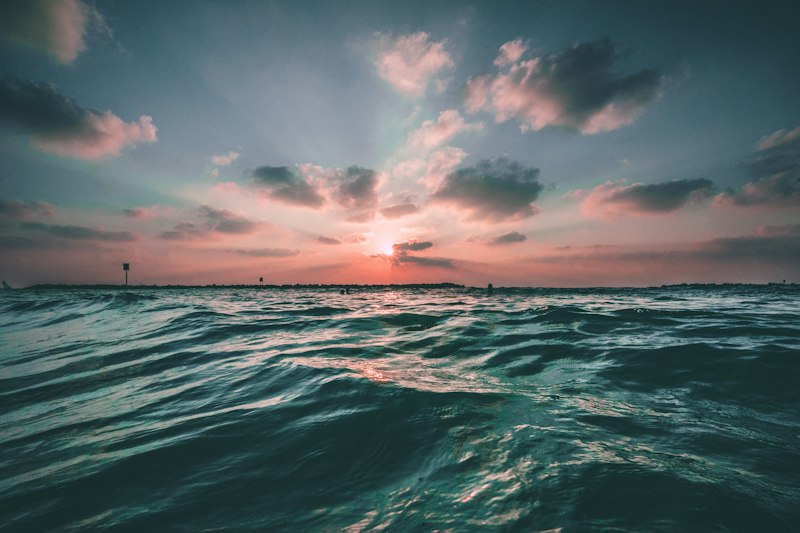
California: The Big Winner
California is the global sweet spot for El Niño surfing. The combination of a strengthened Aleutian Low, more frequent west-northwest swell trains, and elevated water temperatures creates consistently larger and more rideable days from December through March. Here is what changes at California's major surf zones during El Niño:
Northern California: Mavericks and Ocean Beach
Mavericks near Half Moon Bay is the most famous beneficiary of El Niño swell. The break needs a specific combination — big west-northwest groundswell, light offshore wind, and a tide window that doesn't drown the reef — to fire. El Niño winters produce more days that meet the swell threshold. During the 2015-16 El Niño, Mavericks had 8 contest-worthy days between December and February, compared to 2-3 in an average winter. The Titans of Mavericks contest window (November-March) is worth planning around during an El Niño year.
Ocean Beach in San Francisco becomes significantly more powerful during El Niño winters. Stronger swells push more energy into the outer bars, creating long-period groundswell days that produce 10-15 foot faces. The challenge is wind: El Niño-driven storms that generate the swell also generate onshore wind that can ruin conditions. The key window is the 24-hour gap after a front passes — clean conditions with still-massive swell. OB is not a beginner break during El Niño. The currents intensify as more water moves through the system.
Central Coast: Steamer Lane and Morro Bay
Steamer Lane in Santa Cruz thrives during El Niño. The reef setup favors west-northwest swell direction, which is exactly what El Niño-enhanced Aleutian Low storms produce. Big days at the Lane during El Niño reach 12-18 foot faces with the Middle Peak and Indicators sections lining up into long, workable walls. The kelp beds that normally dampen swell energy in summer are thinner in winter, so more swell energy reaches the lineup. Water temperatures in the 58-62 degree F range (instead of the typical 53-57 degree F) mean a 3/2 wetsuit is often enough, compared to the 4/3 normally required.
Southern California: Rincon, Malibu, and Trestles
Rincon in Santa Barbara/Ventura county gets a clear boost during El Niño winters. The west-northwest swell direction that El Niño favors wraps into Rincon's point setup better than the more northerly swells of an average winter. The result is more days with Rincon's classic long, peeling right-hand walls. Water temperatures in the low 60s make dawn patrol sessions more comfortable.
Malibu and Trestles see less dramatic changes — these breaks favor west-southwest swell directions from southern hemisphere storms, which are less affected by El Niño. However, the elevated water temperatures (low-to-mid 60s instead of high 50s) make SoCal winter surfing noticeably more comfortable. Trestles gets an additional 2-4 degree F boost from El Niño, pushing winter water temps into the mid-60s on the warmest days. For the overall picture on how El Niño affects travel in California, see our El Niño travel guide.
Hawaii: Shifted Swell Directions
El Niño doesn't necessarily make Hawaii's waves bigger — it changes where they come from. During El Niño winters, the Hawaiian Islands sit closer to the storm-generating region of the North Pacific. The swell direction shifts from the typical northwest (310-320 degrees) to a more westerly direction (290-300 degrees). This directional shift changes which breaks light up.
North Shore breaks that benefit from westerly swell:
- Waimea Bay — the big-wave arena works better with westerly direction, which wraps more cleanly into the bay. The Eddie Aikau contest window spans December through February, and El Niño years historically produce more days that meet the 20-foot Hawaiian scale threshold.
- Sunset Beach — the westerly swell direction lines up better with Sunset's reef, producing longer, more organized walls. Sunset becomes the most consistent big-wave paddle-in spot on the North Shore during strong El Niño winters.
- Makaha on the west side — westerly swell is almost a direct hit for Makaha, producing clean, long point-break waves. This break is relatively uncrowded compared to the North Shore during big El Niño swells.
North Shore breaks that lose out:
- Pipeline — favors more northerly swell direction. During El Niño, Pipeline still gets waves but the classic wrapping left is less consistent. Intermediate days (6-10 foot Hawaiian) can be especially inconsistent. The peak of the swell window shifts toward Sunset and Waimea.
Hawaii also sees elevated water temperatures during El Niño — typically 1-3 degrees F above normal, pushing winter water into the 77-79 degree F range. This is board-shorts-or-springsuit territory through most of the winter, with only the coldest January mornings requiring a 2mm top. Monitor tropical Pacific sea surface temperatures on the ENSO dashboard for the most current data.
Peru: Bigger Waves, Dirtier Water
Peru's surf breaks face a mixed bag during El Niño. On the positive side: El Niño strengthens the southern hemisphere storm track that generates south-southwest swells for Peru's coast, and the elevated water temperatures (warming 4-8 degrees F above the normal mid-60s range) mean trunks-only surfing in places that normally require a springsuit. Northern Peru breaks like Chicama — the world's longest left-hand point break — see consistently bigger swell during the November-March window when the southern hemisphere is producing its biggest storms.
On the negative side: the same El Niño that delivers big waves also delivers catastrophic rainfall to Peru's northern coast. Rivers that are normally dry can flood, washing debris, agricultural runoff, and sewage into the lineup. Water quality at Chicama, Lobitos, and Pacasmayo deteriorates significantly after heavy rain events — ear infections, stomach bugs, and skin rashes are common among surfers who paddle out within 48-72 hours of a major rainstorm. The rule of thumb: if it has rained heavily in the past 3 days, stay out of the water in northern Peru during an El Niño year. Carry antibiotics and anti-diarrheal medication if you're surfing Peru's north coast.
Southern Peru breaks around Lima (La Herradura, Punta Rocas) are less affected by the flooding — the rain is concentrated along the northern coast above about 9 degrees south latitude. Lima sits in a transition zone and typically remains drier. Water temperatures in Lima during El Niño warm to the low 70s F — a dramatic change from the typical mid-60s that requires a 3/2 wetsuit. If you want the bigger El Niño swell without the water quality risk, stick to breaks south of Lima.
Australia: Winners and Losers
El Niño produces a split outcome for Australian surfing: the east coast loses swell energy, the south coast gains it.
East Coast (Gold Coast, Byron Bay, Sydney)
El Niño shifts Pacific storm tracks poleward, which means fewer tropical cyclone-generated swells for Australia's east coast. The Gold Coast's Superbank, Byron Bay's points, and Sydney's beach breaks all see a reduction in swell frequency during El Niño summers. The 2015-16 El Niño produced a notably flat summer on the east coast — experienced surfers describe it as a "swell drought" with weeks of 2-3 foot conditions between the occasional pulse. The east coast cyclone season (December-April) is less active during El Niño, reducing the number of significant swell events. For east coast surfers, El Niño means more small-wave groveler sessions and fewer overhead days.
South Coast (Bells Beach, Winki Pop, Margaret River)
El Niño shifts the southern hemisphere storm track, which actually enhances swell generation for breaks facing the Southern Ocean. Bells Beach and the Surf Coast in Victoria, Margaret River in Western Australia, and South Australia's Middleton Point all see more consistent winter and spring groundswells during El Niño. The mechanism is different from California — it's driven by southern hemisphere storm track shifts rather than North Pacific storm intensification — but the result is the same for surfers: more frequent, more powerful groundswell events during the April-September window. Margaret River's main break handles the added swell energy well, producing longer, heavier barrels on the bigger days.
Water Temperature and What It Changes
Warmer water during El Niño is more than a comfort upgrade — it changes what lives in the water and how breaks behave:
Wetsuit changes: California surfers can often step down one thickness level during El Niño winters. A 3/2 where a 4/3 was standard, a 4/3 where a 5/4 was necessary in Northern California. This matters for paddle endurance — lighter rubber means less fatigue during long sessions and faster paddling into bigger waves.
Marine life shifts: Warmer water brings species normally found further south. During the 2015-16 El Niño, Southern California saw an influx of yellowtail, dorado, and even a few wahoo within paddle-out range of shore. Less pleasant: warmer water increases the presence of stingrays at beach breaks (they migrate north into warmer shallows) and, in rare cases, juvenile great white sharks following warmer water prey. The shark risk is statistically tiny but real — a handful of encounters during the 2015-16 El Niño were linked to the warm-water anomaly.
Kelp changes: Warmer water stresses kelp forests, which can thin out during strong El Niño events. For surfers, this means less dampening of swell energy and cleaner lines. The trade-off: kelp is a nursery habitat for fish, and less kelp means fewer fish — and more seals — in the lineup, with downstream effects on shark activity.
For all of this, the practical advice is simple: El Niño years favor west-facing Pacific breaks from December through February in the northern hemisphere. Check buoy data for your specific break — NOAA's National Data Buoy Center provides real-time wave height, period, and direction data for over 100 Pacific buoys. Match the swell direction to your break's sweet spot, time your sessions for the clean-up window after storms pass, and enjoy some of the best waves the Pacific can produce.