Best Time to Visit Top Destinations During an El Niño Year
Updated: August 4, 2026 · 11 min read
TL;DR
April-May is the sweet spot for El Niño travel — effects weaken, crowds are thin, and prices drop after peak season. Avoid Peru's north coast Jan-Mar (flooding), Southeast Asia Mar-May (peak haze), and southern Africa Oct-Jan (drought). California skiing peaks Dec-Feb. Caribbean beaches are safer Jun-Nov with suppressed hurricane activity. Use discount windows in flood-affected and drought-deterred regions.
How El Niño Rewrites Seasonal Travel Rules
Standard travel advice assumes normal weather. Normal peak seasons, normal dry seasons, normal storm seasons. El Niño shifts all of them. Places that are paradise in a normal January can be underwater. Destinations that are normally crowded can empty out — and lower their prices. The key to good timing during an El Niño year is understanding which regions shift and which months offer the best trade-offs between weather, crowds, and cost.
The 2026 El Niño is forecast to peak during the northern hemisphere winter (December 2026 through February 2027), which means the strongest effects will hit during what is normally peak travel season for tropical escapes, ski trips, and southern hemisphere summer adventures. This guide lays out the best windows for each continent, factoring in El Niño-driven rainfall anomalies, temperature shifts, storm risk changes, and the pricing patterns that follow them.
North America: Best Months by Region
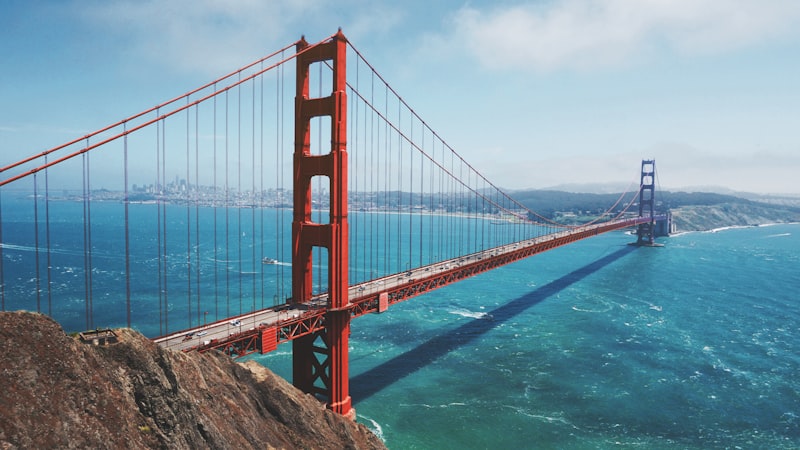
California and the West Coast
Best window: April-May (wildflowers, fewer rain days, pre-summer crowds). El Niño brings above-average rain to California from November through March. For coastal sightseeing, April through early June offers the best balance — the landscape is green from winter rain, wildflower superblooms peak in desert regions like Death Valley and Joshua Tree (April), and you're ahead of the June tourist rush. Coastal fog is minimal in spring, giving clear views along Highway 1 and Big Sur.
Ski season: December through February. The Sierra Nevada reliably receives above-average snowfall during El Niño winters. Mammoth Mountain historically records 500+ inches in strong El Niño years and stays open into July. January and February are deepest for powder conditions. March offers warmer ski days with still-excellent coverage.
Avoid: Big Sur road trips in January-February. Highway 1 closures from landslides increase during El Niño rain years. The 2023 atmospheric river events closed sections of Highway 1 for weeks. Check Caltrans road conditions before booking.
US Midwest and Great Lakes
Best window: November through March (city breaks at off-peak prices). El Niño pushes the polar jet stream north, keeping arctic air locked in Canada. Cities like Chicago, Detroit, and Minneapolis experience temperatures 5-10 degrees Fahrenheit above normal. Museum visits, food tours, and indoor attractions are comfortable rather than survival-mode cold. Hotel rates hit their annual low in January and February — often 40-60% below summer peaks.
Avoid: None specifically. This region benefits from El Niño winters. The only caveat is that Lake Michigan ice coverage drops significantly, so ice fishing and ice cave attractions may be unavailable.
Caribbean and Gulf of Mexico
Best window: June through October (lower hurricane risk than normal). El Niño suppresses Atlantic hurricane activity through increased wind shear that tears apart developing storms. The 2015 El Niño produced one of the quietest Atlantic hurricane seasons on record with only 4 hurricanes (average is 6). This makes the hurricane season months safer for Caribbean travel than in a normal or La Niña year. Combined with off-peak pricing during hurricane season, this creates a rare value window.
Avoid: None for the Caribbean side. The Mexican Riviera (Cabo, Puerto Vallarta) faces elevated eastern Pacific hurricane risk during the same period. If you're choosing between Caribbean and Pacific Mexico, pick the Caribbean side during an El Niño year. Check real-time ocean temperatures on the ENSO dashboard before booking.
Bermuda
Best window: November through early December. Bermuda is a strong "yes" for a November trip during a strong El Niño. The island sits at the northern edge of the Atlantic hurricane belt, and November is already past its peak storm risk. El Niño pushes that risk even lower — increased wind shear over the Atlantic tears apart developing storms, so the tail end of hurricane season is quieter than normal. Daytime highs in November run in the low-to-mid 70s °F, comfortable for sightseeing and golf, with far smaller crowds than the summer rush.
Avoid: None specifically. The one caveat is that November water is cooler for swimming (low 70s °F), so plan around sightseeing rather than beach days. An occasional Atlantic front can still bring a day or two of rain even in a quiet season, so check the 7-day forecast before you book.
South America: When to Go and What to Avoid
Peru (Cusco, Machu Picchu, Sacred Valley)
Best window: May through September (dry season in the Andes). The southern highlands of Peru are typically drier during El Niño, which makes the standard Andean dry season even more reliable. June and July offer the clearest skies and most stable trekking conditions. The Inca Trail is fully open, and daytime temperatures are pleasant at altitude.
Avoid: Peru's northern coast from January through March. The coast from Tumbes to Trujillo receives catastrophic rainfall during strong El Niño events — often exceeding 100 inches in a region that normally gets less than 1 inch per year. Roads, bridges, and airports can close without warning. If Machu Picchu is your destination, you're in the south and fine. If the northern beaches (Mancora, Punta Sal) are on your itinerary, reschedule outside the January-March window or skip them entirely during a strong El Niño.
Brazil and the Amazon
Best window: July through October (drier Amazon basin). El Niño typically brings drier conditions to the northern Amazon, which means lower river levels and better wildlife viewing as animals concentrate around remaining water sources. July and August are peak dry months. For the Brazilian northeast (Bahia, Recife), El Niño often means less rain and more sunshine — January through March is peak beach season, but expect higher temperatures than normal.
Avoid: Southern Brazil in December-February. El Niño can bring heavy rainfall to southern Brazil (Rio Grande do Sul, Santa Catarina), increasing flood and landslide risk. The 2023-24 El Niño caused significant flooding in Rio Grande do Sul in May 2024, though the peak risk window is the austral summer.
Colombia and Central America
Best window: December through March (drier Pacific coast). El Niño typically reduces rainfall on Colombia's Pacific and Caribbean coasts. Cartagena, Santa Marta, and the coffee region experience brighter, drier conditions than normal. The same pattern holds for Panama and Costa Rica's Pacific side — the dry season is even drier during El Niño, making December through March the best window for Pacific beaches in Guanacaste and Manuel Antonio.
Avoid: Caribbean slope of Central America June-November. While the Pacific side dries out, the Caribbean slope (Limón in Costa Rica, Bocas del Toro in Panama) can receive enhanced rainfall during El Niño. If you're choosing between Pacific and Caribbean coasts in Central America, go Pacific.
Asia and Oceania: Timing Around Haze and Cyclones
Southeast Asia (Thailand, Indonesia, Philippines)
Best window: April and October (shoulder months with moderate conditions). El Niño intensifies the Southeast Asian dry season, pushing temperatures higher and extending the drought window. The March-May hot season becomes notably more intense during El Niño, with heat indices regularly exceeding 40 degrees Celsius (104 degrees Fahrenheit). The haze from Indonesian agricultural fires — which peak during dry El Niño conditions — is worst from July through October.
Two good windows: April, before the peak heat but after the northeast monsoon clears, and October, when rains begin returning and haze dissipates but before the full monsoon arrives. Both offer more manageable temperatures and clearer skies than the peak dry months. Bali follows a similar pattern — the April shoulder and October transition are better than the traditional July-August peak during El Niño.
Avoid: July through September if sensitive to air quality. The 2015-16 El Niño produced Indonesia's worst fire season in two decades, with Singapore's AQI exceeding 300 during peak haze. N95 masks are essential if you must travel to the region during these months. For general planning guidance across Southeast Asia, see our El Niño travel guide.
Australia
Best window: April through June (autumn, mild temperatures). Autumn is already the most pleasant season in Australia, and El Niño accentuates this. Sydney, Melbourne, and the Great Barrier Reef region enjoy mild days with low humidity and reduced rainfall. The Great Barrier Reef faces elevated coral bleaching risk during El Niño summer (December-February), so visiting in autumn avoids the hottest water temperatures.
Avoid: December through February if visiting reef or bushland. Higher ocean temperatures increase coral bleaching risk. Inland regions face elevated bushfire danger — the 2019-20 Black Summer fires occurred during El Niño-like conditions. Check the Bushfire and Natural Hazards CRC seasonal outlook before booking summer travel.
South Pacific (Fiji, Tahiti, Cook Islands)
Best window: May through October (dry season, lower cyclone risk). The South Pacific cyclone season runs November through April. During El Niño, cyclone activity shifts eastward — islands further east (French Polynesia, Cook Islands) face higher cyclone risk than normal, while islands further west (Fiji, Vanuatu) see reduced risk. May through October is the safest window for the entire region, with June-August offering the best combination of dry weather and comfortable temperatures.
Europe and Africa: Milder Winters, Drier Summers

Northern Europe and the UK
Best window: November through February (milder city breaks). El Niño winters in London, Edinburgh, and Copenhagen bring fewer freezing days and more manageable walking-tour weather. The trade-off is more rainfall — bring waterproof layers. Hotel rates are at their annual low in January and February. Christmas markets in December are reliably cold but not brutal.
Mediterranean Europe
Best window: May through June and September (shoulder season). El Niño summers in the Mediterranean tend toward warmer and drier conditions, especially in the eastern Mediterranean (Greece, Turkey). July and August can be uncomfortably hot during strong El Niño years — the shoulder months of May-June and September offer better walking weather with fewer crowds. The French and Italian Riviera follow a similar pattern.
Southern Africa (South Africa, Botswana, Zimbabwe)
Best window: May through August (dry season, excellent game viewing). El Niño typically brings below-average rainfall to southern Africa. While this is bad for agriculture, it's excellent for wildlife viewing — animals concentrate around dwindling water sources, making game drives more productive. Kruger National Park and Chobe National Park deliver their best sightings during these months. Victoria Falls is less impressive during El Niño drought years, flowing at reduced volume from October through December. The falls are most powerful from March through May, after the rainy season — but in an El Niño year, even those months may see lower flow than the historical average.
Avoid: October through January for Victoria Falls and water-dependent activities. Water levels are lowest during this window, and the landscape is at its most parched.
The El Niño Discount Window: Where Prices Drop
El Niño creates pricing inefficiencies in the travel market. When news coverage highlights flooding in Peru or drought in Southeast Asia, tourism demand drops — even for the parts of those regions that are unaffected. Savvy travelers can use this to find deals in perfectly good destinations that happen to share a region with a weather story.
Peru (southern highlands, Jan-Mar): The north coast floods, but Cusco and Machu Picchu are drier than normal. Flight and hotel prices drop as overall Peru demand falls. You get better weather at lower prices.
Southeast Asia (Mar-May, shoulder months): The haze narrative suppresses regional demand even when your specific destination has good air quality. April in Bangkok or Siem Reap may be hotter than normal, but hotel rates can be 30-50% below January highs. Check AQI data for your specific destination rather than relying on regional news.
Caribbean (Aug-Oct, peak hurricane months): Normally the riskiest period for Caribbean travel, but during El Niño the Atlantic hurricane risk drops. The same discount pricing applies, but the actual risk is lower. Two-for-one: lower risk, lower price.
Southern Africa (shoulder months): Drought concerns reduce demand for safari bookings. May and November — the beginning and end of the dry season — offer good wildlife viewing with shoulder pricing that drops further during El Niño years. Some lodges offer "El Niño rates" that are not openly advertised but available if you ask.
For all of these, the strategy is the same: book refundable, monitor the specific conditions at your destination rather than the regional headlines, and buy CFAR travel insurance to protect against the scenario where conditions genuinely deteriorate before your trip.