El Niño Beach Guide: Where to Go & Where to Skip
Updated: August 4, 2026 · 11 min read
TL;DR
Caribbean beaches are the best bet during El Niño — suppressed hurricane risk means safer summer and fall travel. Skip Mexico's Pacific coast during hurricane season (higher eastern Pacific storm activity). Avoid Peru's northern beaches Jan-Mar (flooding + contaminated water). Coral bleaching risk is elevated at the Great Barrier Reef and Caribbean reefs — choose cooler-water destinations for snorkeling. Southern California beaches are fine but expect more rain days and occasional erosion. The Mediterranean is unaffected and a reliable alternative.
Caribbean vs Pacific: The Big Split
The most important decision for a beach vacation during an El Niño year is which ocean to choose. El Niño creates opposite effects in the Atlantic/Caribbean and the Pacific — what makes one ocean safer makes the other riskier. Understanding this split is the difference between a sunny week on the sand and a week of watching tropical storm updates on your phone.
The Atlantic/Caribbean side: El Niño suppresses Atlantic hurricane activity through increased wind shear — essentially, high-altitude winds tear apart developing storms before they can organize. The result is fewer named storms, fewer hurricanes, and a quieter hurricane season overall. During the 2015 strong El Niño, the Atlantic produced only 4 hurricanes (compared to a normal of 6). The US National Hurricane Center's seasonal outlook explicitly lowers activity projections when El Niño conditions are forecast. For beach travelers, this means the June-November window is safer in the Caribbean during an El Niño year than in a normal year — and significantly safer than during a La Niña year.
The Pacific side: The opposite happens. El Niño warms eastern Pacific waters, which fuels tropical cyclone development. The eastern Pacific hurricane season (May-November) is more active — more named storms, more hurricanes, and more risk to Mexico's Pacific coast and Hawaii. During the 2015 El Niño, the eastern Pacific had 18 named storms compared to the average of 15. Hurricane Patricia — the strongest hurricane ever recorded in the Western Hemisphere — occurred during the 2015 El Niño and made landfall on Mexico's Pacific coast.
The practical takeaway for beach planning: if you're choosing between a Caribbean and a Pacific beach for a summer or fall trip during an El Niño year, pick the Caribbean every time. The risk math tilts strongly in that direction. For real-time tropical Pacific conditions, check our live ENSO dashboard.
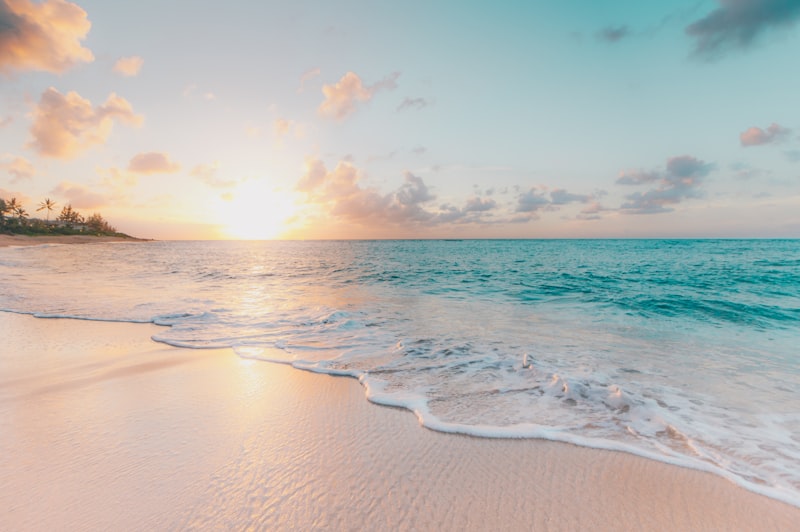
Caribbean Beaches: The Winners
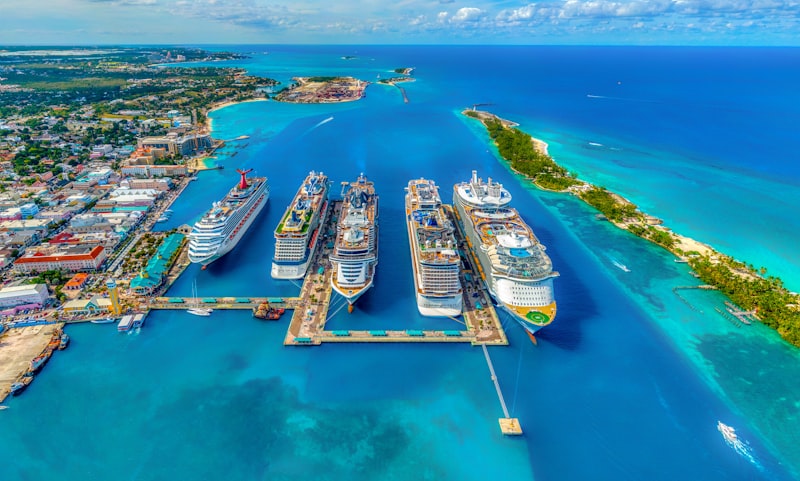
Not all Caribbean beaches benefit equally from El Niño storm suppression. Here's the breakdown by sub-region:
Western Caribbean: Cancun, Cozumel, Belize, Roatan
The western Caribbean sits outside the main Atlantic hurricane belt, making it the safest sub-region even in a normal year. During El Niño, the risk drops further. Cancun and the Riviera Maya (Tulum, Playa del Carmen) combine reliably good weather with excellent infrastructure — direct flights from dozens of US cities, all-inclusive resorts with flexible cancellation policies, and well-maintained beaches. December through April is the peak season, but El Niño makes the shoulder months of May-June and October-November more attractive by reducing the chance of a trip-disrupting storm. Cozumel's coral reefs face some bleaching risk from warmer Caribbean water (see the coral section below), but the drift diving remains world-class.
Southern Caribbean: Aruba, Bonaire, Curacao
The ABC islands sit below the hurricane belt entirely. Hurricanes are rare here even in active Atlantic seasons. During El Niño, the islands remain as reliable as ever — Aruba averages less than 20 inches of rain annually regardless of ENSO state. The trade-off: these islands are desert-like in landscape, with cactus-strewn terrain rather than lush tropical foliage. If your beach vacation ideal involves palm-fringed shores, go with the western Caribbean. If you want the highest probability of uninterrupted sunshine, pick Aruba. The southern Caribbean also has the least coral bleaching risk in the region because water temperatures here are moderated by upwelling from deeper ocean layers. For more destination comparisons, see the El Niño travel guide.
Eastern Caribbean: Bahamas, Turks and Caicos, Dominican Republic
The eastern Caribbean is more exposed to Atlantic hurricanes than the western or southern sub-regions. El Niño's storm suppression effect benefits this zone the most in relative terms — the percentage reduction in hurricane risk is highest here. Punta Cana (Dominican Republic) and Grace Bay (Turks and Caicos) offer some of the best beaches in the hemisphere, and El Niño summers are the window to visit them without peak-season prices or peak hurricane anxiety. Just know that even with El Niño suppression, the eastern Caribbean is not zero-risk — a single hurricane can still form and track through the region. Buy CFAR travel insurance if you book the eastern Caribbean during hurricane season.
Pacific Beaches: Where to Go, Where to Skip
Mexico's Pacific Coast: Skip During Summer and Fall
Cabo San Lucas, Puerto Vallarta, Sayulita, and Acapulco face elevated hurricane risk during El Niño summers and falls. The eastern Pacific hurricane season is more active, and these destinations sit directly in the path. Acapulco was devastated by Hurricane Otis in 2023 — a storm that intensified explosively over record-warm El Niño-amplified waters. While Otis was an extreme case, the pattern is clear: El Niño adds fuel to eastern Pacific cyclones. If you're set on Mexico's Pacific coast, the safest window is November through April. Book refundable accommodations and monitor NOAA's eastern Pacific hurricane outlook, which updates in May.
Costa Rica's Pacific Coast (Guanacaste, Manuel Antonio): Go in Dry Season
Costa Rica's Pacific side benefits from El Niño during the December-April dry season, which becomes even drier and sunnier. Guanacaste's Papagayo Peninsula — with beaches like Playa Conchal and Playa Flamingo — is the best Pacific beach pick in Central America during El Niño. The dry forest landscape is at its most golden and the surf is consistent without the heavy rain interruptions of the green season. The only caution: the Papagayo winds (strong offshore gusts that funnel through the Central American gap) can be stronger during El Niño, making January-February unusually gusty on beaches facing north.
Peru's Northern Beaches: Avoid January-March
Mancora and Punta Sal in northern Peru are famous surf-and-sand destinations — under normal conditions. During El Niño, the same warm water that delivers bigger waves also delivers catastrophic rainfall to a region that normally gets less than 1 inch of rain per year. Roads wash out, bridges collapse, and water quality plummets as floodwaters mix with sewage and agricultural runoff. Surfers who paddle out within 72 hours of rain events report high rates of ear infections and stomach issues. If northern Peru is on your itinerary during an El Niño year, rebook for the southern hemisphere summer of a non-El Niño year. If your trip is locked in, stick to beaches south of Lima (Cerro Azul, Punta Hermosa) where the flooding is much less severe.
Hawaii: Go Any Time, But Know What Changes
Hawaii is the Pacific beach destination least affected by El Niño. Hurricane risk to the islands does not increase significantly during El Niño because the eastern Pacific storms that intensify rarely track far enough north to threaten the islands — central Pacific hurricanes are a separate mechanism less influenced by ENSO. What does change: water temperatures run 1-3 degrees F warmer than normal, making winter swimming more comfortable. North shore beaches in winter (Waimea Bay, Sunset Beach) have larger surf from the shifted swell direction. South shore beaches like Waikiki are largely unaffected — summer south swells follow a different storm track. Hawaii is the year-round safe Pacific pick during El Niño. January-February is peak whale-watching season, which coincides with the El Niño peak and adds a bonus to winter visits.
Coral Bleaching and Snorkeling/Diving
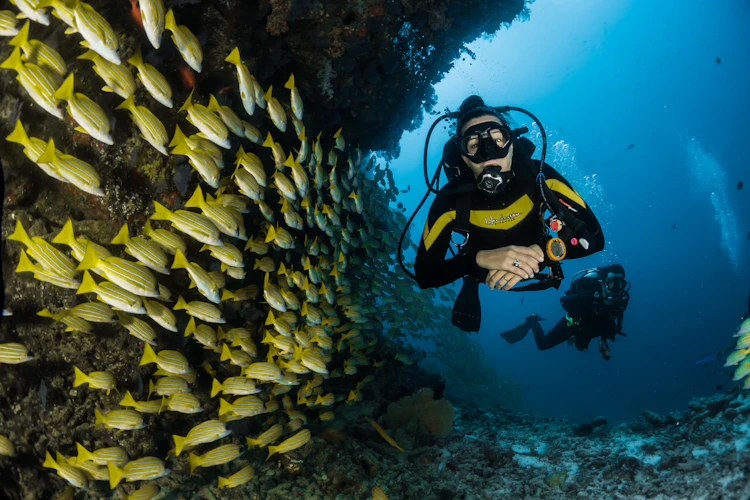
If snorkeling or diving is part of your beach vacation, El Niño's effect on coral reefs matters. The mechanism: El Niño raises sea surface temperatures by 1-5 degrees F across tropical oceans. When water temperatures exceed the local bleaching threshold — typically 1-2 degrees C above the normal summer maximum — corals expel the symbiotic algae (zooxanthellae) that give them color and provide most of their energy. The coral turns white (bleaches) and can die if the heat stress persists for more than 4-6 weeks.
Great Barrier Reef (Australia): The highest bleaching risk of any major destination during El Niño. The 2016 bleaching event — the worst in the reef's recorded history — affected over 90% of the reef. The northern sections off Cairns and Port Douglas were hit hardest, with 67% coral mortality in some areas. The southern sections around the Whitsunday Islands fared better, with 25-30% mortality. During the 2026 El Niño, NOAA Coral Reef Watch data will indicate bleaching alert levels for the GBR. Check their website before booking reef-specific diving. If you're flexible, the outer reef platforms that sit in deeper, slightly cooler water are better bets than inshore fringing reefs. For surfing options instead of diving during El Niño in Australia, our El Niño surfing guide covers the alternatives.
Caribbean reefs: Also at elevated bleaching risk during El Niño. The Belize Barrier Reef, Cozumel's Palancar Reef, and the reefs of Bonaire all face warmer-than-normal water. The severity depends on how strong the El Niño becomes — moderate events produce mild bleaching, strong events produce significant bleaching. Local conditions matter: reefs with good water circulation and deeper sections are more resilient. Bonaire's reefs, which benefit from upwelling of cooler water from depth, tend to bleach less than Cozumel's shallower reef systems. If you're booking a dive trip specifically for coral viewing during an El Niño year, check the local dive shops' recent condition reports — not the tourism board's website, which has an incentive to downplay bleaching.
Destinations with lower bleaching risk during El Niño: The Red Sea (Egypt, Jordan) — its corals have evolved to tolerate higher temperatures and are more resilient than Indo-Pacific corals. The Galapagos — cooler water from the Humboldt Current provides a buffer, though surface temperatures still rise. French Polynesia (Bora Bora, Moorea) — historically less affected than the Great Barrier Reef, though the 2016 El Niño did cause moderate bleaching. The Maldives and Seychelles — Indian Ocean warming during El Niño is typically less severe than Pacific warming.
Water Safety and Swimming Conditions
El Niño changes beach water conditions in specific ways that affect swimming safety and enjoyment:
Water quality after storms: The most common safety issue during El Niño is poor water quality after heavy rain events. When atmospheric rivers hit California or coastal El Niño flooding hits Peru, storm runoff carries bacteria, sewage, and agricultural chemicals into the ocean. The Los Angeles County Department of Public Health routinely issues beach advisories after the first major rain of the season for this reason. During El Niño, these advisories are more frequent. Avoid swimming within 72 hours of heavy rain at any beach near urban areas or agricultural land. County health department websites publish beach water quality data that updates daily — check them.
Rip currents: Larger winter swells on Pacific beaches during El Niño generate stronger rip currents. California beachgoers who are used to summer conditions can be caught off guard by winter rip strength. The rule: swim near a lifeguard tower. More drownings occur on beaches without lifeguard coverage during swell events than at guarded beaches. If you are caught in a rip, swim parallel to shore (not against the current), then angle back once you're out of the rip channel.
Marine life shifts: Warmer water brings species into areas they don't normally inhabit. During the 2015-16 El Niño, Southern California had a spike in stingray injuries as warm water pushed stingray populations north and into shallower water. The stingray shuffle — shuffling your feet along the sandy bottom rather than stepping — reduces sting risk. Warmer water also brings more jellyfish, including Portuguese man o' war, to beaches from Florida to the Carolinas. A vinegar rinse kit in your beach bag handles most jelly stings (do NOT use fresh water — it triggers unfired nematocysts).
Best Beach Picks by Region for 2026
Based on the forecast 2026 El Niño, here are the top beach vacation picks organized by what kind of trip you want:
Safest all-around bet: Aruba, Bonaire, or Curacao. Outside the hurricane belt, minimal rainfall even during El Niño, good snorkeling, solid infrastructure. Not the cheapest option, but the most reliable.
Best value with low risk: Cancun or Riviera Maya shoulder season (May-June or October-November). El Niño lowers the hurricane risk enough to make these normally risky months more viable. Hotel rates are 30-50% below December-April peaks. Direct flights from most US cities.
Best for snorkeling/diving: Bonaire (shore diving, less bleaching), Red Sea (Sharm el-Sheikh or Hurghada — corals evolved for warmer water), or the Whitsunday Islands (southern Great Barrier Reef, less bleaching than Cairns section). Check NOAA Coral Reef Watch before booking any coral-dependent trip during El Niño.
Best for surfing + beach combo: Costa Rica's Pacific coast (Tamarindo, Santa Teresa) during the December-April dry season. Drier than normal, consistent surf, mix of beach breaks and points. El Niño amplifies the good conditions already present in dry season.
Skip this year: Mexico's Pacific coast June-November (hurricane risk), Peru's northern coast January-March (flooding), Bali during the peak dry season July-September (intensified drought, haze, water shortages), Great Barrier Reef north of Cairns (bleaching risk). Rebook these for a non-El Niño year or a different season.
Whatever beach you pick, the same rules apply: book refundable when possible, check local water quality reports before swimming, buy CFAR travel insurance, and cross-reference your plans with the real-time ENSO dashboard to catch any changes in the forecast.