El Niño Travel Guide: Where to Go and What to Avoid in 2026
Updated: July 28, 2026 · 17 min read
TL;DR
El Niño travel advisory — avoid Peru's northern coast Jan-Mar (flooding) and Southeast Asia (drought/haze). Book California/Sierra Nevada ski trips for best snow. Caribbean cruises face lower hurricane risk. Expect milder Midwest winters. Always buy CFAR travel insurance during El Niño years. Check the live ENSO dashboard for current sea surface temperature anomalies before booking.
- How El Niño Changes Your Vacation Plans
- Destinations That Benefit From El Niño
- Destinations to Reconsider
- Ski Trips: Where the Snow Will Be
- Cruise Route Planning
- How El Niño Affects Flight and Accommodation Costs
- Practical Travel Insurance Tips
- Travel Health Risks During El Niño
- Regional Travel Planning Calendar
- Packing for El Niño Travel
How El Niño Changes Your Vacation Plans
El Niño reshuffles the global weather deck. Destinations that are normally reliable in a given season can flip — dry places get wet, wet places dry out, and storm tracks shift. For travelers, this means some destinations become unexpectedly better values while others carry unadvertised risks. The good news: because El Niño is forecast months ahead, you can plan around it.
The 2026 outlook from NOAA's Climate Prediction Center indicates a moderate-to-strong El Niño developing through the summer and peaking over the northern winter. This gives travelers a clear planning horizon: the window from October 2026 through March 2027 carries the most pronounced weather anomalies. Before booking, check our ENSO SST anomaly map and real-time dashboard for the latest conditions. If you're booking travel during that period, this guide covers every major region. For the full 2026 event picture, see the El Niño 2026 hub.
Destinations That Benefit From El Niño
California and the Desert Southwest (Winter-Spring)
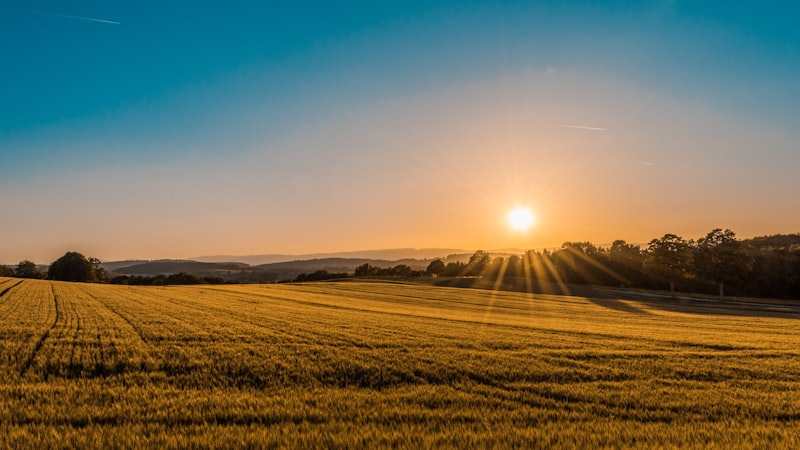
El Niño winters transform the California desert. Death Valley and Joshua Tree, normally brown and dusty in spring, can explode into wildflower superblooms after El Niño rains. The 2016 superbloom drew record crowds — and it was directly tied to the 2015-16 El Niño. Waterfalls in Yosemite run at full power through June instead of drying up by May. If you've ever wanted to see the California desert green and blooming, an El Niño spring is the time.
Beyond the bloom, El Niño brings reliable snow to the Sierra Nevada mountain range. Lake Tahoe ski resorts historically outperform during El Niño years — Kirkwood and Mammoth Mountain regularly extend their seasons into June or July. Hotel rates in gateway cities like Fresno and Reno actually drop during winter months since demand is lower than peak summer, making this a rare value window for California road trips.
One practical tip: if you're visiting the California coast, expect more rain days in San Francisco and Monterey from November through February. Pack waterproof layers and flexible itineraries. The rain usually comes in bands rather than all-day drizzle — you can often enjoy clear mornings with afternoon showers.
Caribbean and Gulf of Mexico (Hurricane Season)
El Niño suppresses Atlantic hurricane activity by increasing wind shear that tears apart developing storms. The 2015 El Niño produced one of the quietest Atlantic hurricane seasons on record. If you're planning a Caribbean cruise or beach vacation between June and November, El Niño tilts the odds in your favor. Destinations like Cancun, Punta Cana, and the Bahamas typically experience fewer storm-related disruptions during El Niño years.
However, there's a Pacific trade-off: El Niño increases hurricane activity in the eastern Pacific. Mexican Riviera cruises that sail from Los Cabos to Acapulco face a higher risk of itinerary changes. If you're choosing between a Western Caribbean itinerary (Cozumel, Costa Maya) and a Mexican Riviera itinerary, go with the Caribbean side during an El Niño year. Cruise lines do adjust routes based on seasonal forecasts, but a last-minute change is never pleasant.
US Midwest and Great Lakes (Winter)
Milder El Niño winters in Chicago, Detroit, and Minneapolis mean fewer flight cancellations and more pleasant city breaks. Hotel rates in these cities often drop during winter — you get better weather at off-season prices. The typical El Niño winter pattern brings the polar jet stream farther north, keeping the most brutal arctic air locked in Canada. That means January temperatures in Chicago might average 5-10°F above normal, and Lake Michigan sees significantly less ice coverage.
For travelers, this is a great window to visit indoor attractions — the Art Institute of Chicago, Detroit's Henry Ford Museum, the Mall of America in Minneapolis — without the bone-chilling cold that normally deters tourists. Weekend getaway packages are often deeply discounted in January and February.
Northern Europe and the UK
El Niño winters in Northern Europe tend to be milder and wetter, with fewer cold snaps. The Gulf Stream and mid-latitude jet stream patterns shift during El Niño, bringing more maritime air across the British Isles and Scandinavia. London, Edinburgh, and Copenhagen experience fewer freezing days — great for walking tours and sightseeing. However, the flip side is more rainfall, so plan indoor alternatives and waterproof gear.
Iceland is a wild card: El Niño can shift storm tracks to bring more snow to higher elevations while keeping Reykjavík relatively mild. The Northern Lights (aurora borealis) can actually be more visible during El Niño winters in Iceland because of reduced cloud cover at high latitudes — though this varies year to year.
Destinations to Reconsider
Peru's Northern Coast (January-April)
This is the most consistently disrupted destination during El Niño. The normally arid coast from Tumbes to Trujillo can receive catastrophic rainfall — in a typical year this region gets less than 1 inch of rain annually. During the 1997-98 El Niño, that number jumped to over 100 inches in some areas, destroying roads and bridges across northern Peru. The 2017 coastal El Niño caused widespread flooding even without a full basin-scale event.
Machu Picchu and Cusco are less affected — the southern highlands actually tend to be drier during El Niño — but the Inca Trail can close due to landslides in the wetter sections. If you're committed to visiting Peru during an El Niño year, focus your itinerary on the southern Andes and the Sacred Valley, and avoid the northern coastal regions entirely during January through March.
Australia's Great Barrier Reef (December-March)
El Niño brings higher ocean temperatures to the Coral Sea, which increases the risk of coral bleaching. The 2016 bleaching event, during a strong El Niño, affected over 90% of the reef. If reef conditions are a priority, monitor NOAA's Coral Reef Watch before booking. The good news is that not all sections of the reef are equally affected — the southern reef sections around the Whitsunday Islands tend to fare better than the northern sections off Cairns.
Inland Australia, particularly New South Wales and Queensland, tends toward drought during El Niño. The summer bushfire risk increases significantly. The 2019-20 Black Summer bushfires — catastrophic by any measure — occurred during an El Niño-like state. If you're planning an austral summer trip, check the Bushfire and Natural Hazards CRC seasonal outlook and avoid high-risk travel windows for the Blue Mountains and other bushfire-prone areas.
Southeast Asia (Dry Season)
El Niño typically brings drought to Indonesia, the Philippines, and parts of Thailand. This can mean hazy skies from uncontrolled agricultural fires, low reservoir levels affecting water sports, and heat stress for outdoor activities. The 2015-16 El Niño produced Indonesia's worst fire season in two decades, with smoke blanketing Singapore and Kuala Lumpur for weeks. The haze crisis affects air quality across the region — the Air Quality Index (AQI) in Singapore exceeded 300 during peak periods, classified as "hazardous."
For Bali specifically, the dry season (May-September) during El Niño can be more intense and longer than usual. While this means more sunshine for beachgoers, it also means lower rice terrace water levels in Ubud, water shortages in the drier eastern parts of the island, and increased risk of dengue fever (stagnant water in storage containers breeds mosquitoes). Book accommodations with pools and air conditioning, and consider travel during the shoulder season around April or October when conditions are more moderate.
Southern Africa (October-April)
El Niño typically brings below-average rainfall to southern Africa, with significant impacts on agriculture and water availability. Zimbabwe, South Africa, Botswana, and Zambia face heightened drought risk. Victoria Falls can be less impressive during drought years, and wildlife viewing may be more concentrated around remaining water sources — which experienced safari-goers actually consider a positive for game drives. However, the increased competition for water can stress local communities, and some safari lodges may implement water restrictions. Check with your operator about current conditions, especially if you're visiting Chobe National Park or Kruger National Park between December and February.
Ski Trips: Where the Snow Will Be
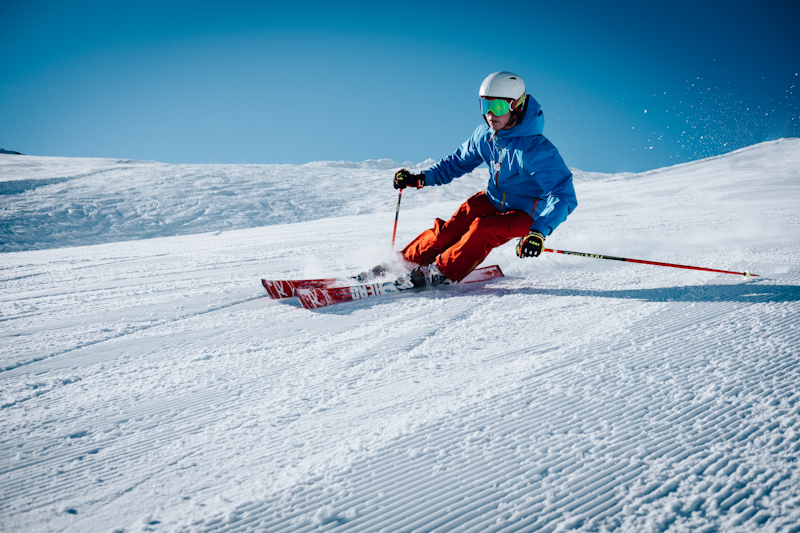
El Niño is a gift to skiers in the southern Rockies and Sierra Nevada but a curse in the Pacific Northwest. During the 2015-16 El Niño, Mammoth Mountain in California received over 500 inches of snow and stayed open until late July, while Mt. Hood in Oregon struggled to open half its terrain. Colorado and Utah sit in a transition zone — northern Colorado (Steamboat) tends toward average or below, while southern Colorado (Telluride, Wolf Creek) and southern Utah (Brian Head) tend to benefit.
Best bets for El Niño powder:
- Mammoth Mountain, CA — consistently the top performer in El Niño cycles
- Palisades Tahoe, CA — heavy snow years with extended seasons
- Kirkwood, CA — highest snowfall in the Tahoe region during El Niño
- Telluride, CO — southern Colorado gets the snow shadow from the storm track
- Wolf Creek, CO — reliably deep, often the first resort in CO to 100-inch base
- Brian Head, UT — southern Utah benefits when northern Utah doesn't
Proceed with caution:
- Whistler Blackcomb, BC — frequent rain events at the base during El Niño winters
- Mt. Bachelor, OR — below-average snowfall, rain-snow line is a problem
- Crystal Mountain, WA — inconsistent openings, low elevation terrain struggles
- Jackson Hole, WY — unpredictable; some El Niño years deliver, others are lean
The bottom line for skiers: book Tahoe, Mammoth, or southern Colorado for the most reliable El Niño powder. If you're planning a big group trip, avoid betting on Pacific Northwest resorts — have a backup plan or book refundable lodging.
For European skiers, El Niño effects are less dramatic but still present. The Alps tend toward mixed conditions: southern Alps (Italy, Austria) fare better than northern Alps (Switzerland, France) during El Niño. The Pyrenees often benefit from the shifted storm track. Check long-range forecasts from the ECMWF when booking European ski trips in an El Niño year.
Cruise Route Planning
Cruise itineraries need special attention during El Niño. Here's what changes by route:
Caribbean: Lower hurricane risk from June-November. This is a strong year to book a Caribbean cruise that you might normally worry about during hurricane season. Western Caribbean (Cozumel, Roatan, Belize) and Southern Caribbean (Aruba, Bonaire, Curacao) are particularly attractive since they sit outside the typical hurricane belt anyway.
Mexican Riviera: Higher storm risk in the Pacific. The eastern Pacific sees more tropical cyclone activity during El Niño. If you're looking at a cruise from Los Angeles or San Diego down to Cabo San Lucas and Puerto Vallarta, consider the November-April window when Pacific hurricane risk is naturally lower.
Alaska: Typically warmer-than-normal summer temperatures, which means less fog and better glacier viewing at Tracy Arm and Hubbard Glacier. However, warmer conditions also mean more rain in coastal towns like Ketchikan and Juneau — pack accordingly.
European Rivers: El Niño effects on European precipitation are less predictable, but the Mediterranean tends toward drier conditions in summer during El Niño, which is actually great for Mediterranean cruises. However, the Danube and Rhine can experience lower water levels if mid-European drought develops, and low water has forced cruise cancellations in past strong El Niño years.
How El Niño Affects Flight and Accommodation Costs
El Niño doesn't directly change airline pricing, but it creates second-order effects. Regions that become less attractive due to weather — northern Peru during rainy season, drought-affected Australia, haze-hit Southeast Asia — often see reduced tourism demand. When demand drops, prices follow. This is your opportunity to find deals. The reverse is true for regions that benefit: when California's Sierra Nevada has a banner snow year, Tahoe lodging books up faster and prices rise.
For trans-Pacific flights specifically, El Niño can strengthen the Pacific jet stream, which sometimes shortens eastbound flight times from Asia to North America by 15-30 minutes. The effect is real but small — you're unlikely to notice a ticket price change from it. However, stronger headwinds on westbound flights can increase fuel consumption, which airlines may partially pass through to ticket prices.
Practical Travel Insurance Tips
During an El Niño year, read the fine print on travel insurance carefully. Standard "trip cancellation" policies cover specific named reasons — and "El Niño" is not one of them. However, if El Niño causes a named storm, hurricane, or officially declared natural disaster at your destination, most comprehensive policies will cover cancellation related to that specific event.
Cancel for Any Reason (CFAR) coverage is the gold standard during El Niño years. It adds about 40% to the premium but lets you cancel regardless of cause. Key CFAR rules to know:
- Must be purchased within 14-21 days of your initial trip deposit
- Typically reimburses 50-75% of prepaid trip costs
- Must cancel at least 48 hours before departure
- Only available on comprehensive policies, not basic ones
Also check whether your policy covers "trip delay" for weather — El Niño-related storms can strand you at connecting airports. The standard coverage is often just $200-500 per day, which is significantly less than last-minute hotel rates. Consider buying additional delay coverage if you're traveling during peak El Niño storm windows (January-March for the US West Coast, June-August for the Atlantic hurricane zone).
Travel Health Risks During El Niño
Disease Outbreaks Linked to El Niño
El Niño doesn't just rearrange weather — it rearranges disease risk. Warmer temperatures and shifted rainfall patterns create ideal conditions for vector-borne diseases to spread into new areas. The 2015-16 El Niño was associated with a surge in dengue fever cases across Southeast Asia and the Pacific Islands — the Philippines reported over 200,000 cases in 2015, a 60% increase over the previous year. The mechanism: warmer temperatures accelerate mosquito breeding cycles and shorten the incubation period of the dengue virus inside mosquitoes, so each mosquito becomes infectious faster and bites more people during its lifespan.
The WHO's El Niño and Health report identified five diseases that spike during strong El Niño events: dengue, malaria (in highland areas where it's normally too cool for mosquitoes), cholera (linked to flooding and water contamination), Rift Valley fever (East Africa, linked to flooding that creates mosquito breeding sites), and leptospirosis (South America, from contaminated floodwaters). For travelers, the practical implication: check the CDC Travel Health Notices for your destination before departure, and consider prophylactic measures you might skip in a non-El Niño year — malaria prophylaxis for highland destinations that don't normally require it, dengue precautions (DEET-based repellent, mosquito nets), and hepatitis A vaccination for flood-affected regions where water infrastructure may be compromised.
Heat Stress for Outdoor Travelers
El Niño amplifies heat extremes in many tropical and subtropical destinations. During the 2023-24 El Niño, heat indices in Southeast Asia exceeded 50°C (122°F) on multiple occasions — conditions where the human body cannot cool itself through sweating, even in the shade. For travelers planning outdoor activities — trekking in Thailand, temple-hopping in Cambodia, safari in southern Africa — the El Niño heat adds a layer of risk that normal seasonal planning doesn't account for.
Data from the 2015-16 El Niño shows heat-related emergency room visits increased 15-25% in Southeast Asian tourist destinations during the peak months of March-May. The groups most at risk: travelers over 60, those with cardiovascular conditions, and anyone not yet acclimatized (which describes most tourists arriving from temperate climates). Practical advice for El Niño travel in hot regions: schedule outdoor activities for 6-10 AM, carry electrolyte replacement packets (available at any pharmacy), know the symptoms of heat exhaustion (heavy sweating, weakness, nausea, headache) versus heat stroke (hot dry skin, confusion, loss of consciousness — this is a medical emergency), and check whether your accommodation has reliable air conditioning — power outages increase during El Niño heatwaves as grids strain under peak demand.
Water Safety in El Niño Flood Zones
For travelers heading to regions with El Niño-linked flooding — Peru's northern coast, California after atmospheric river events, the Caribbean slope of Central America, and parts of East Africa — waterborne illness is the most common preventable health risk. Floodwaters mix sewage, agricultural runoff, and industrial contaminants. In Peru's 2017 coastal El Niño, leptospirosis cases spiked 400% in the Piura region. Hepatitis A and typhoid also increased. The same pattern repeated during the 2023-24 El Niño in Kenya, where cholera cases surged in flood-affected counties.
Prevention is straightforward but easy to skip: drink only bottled or properly treated water (not just filtered — you need purification or boiling); avoid raw vegetables and fruits you can't peel in affected regions; and if you're in a flood zone, assume any standing water is contaminated and avoid wading through it if you have cuts or abrasions on your feet. A travel health kit with water purification tablets, anti-diarrheal medication, and a course of broad-spectrum antibiotics (prescribed by your doctor before travel) provides a safety net. For more on staying safe during El Niño emergencies, see our El Niño Safety Guide and El Niño Health Impacts.
Regional Travel Planning Calendar
Use this month-by-month guide to spot when your destination enters an El Niño risk window:
October-December: Increased California rain and Sierra snow begin. Southeast Asia dry season intensifies — expect peak haze in Indonesia/Sumatra. Australia spring warming starts early. Peru coast remains dry (risk period begins January).
January-March: Peak El Niño effects. Peru's northern coast at maximum flood risk — avoid unless visiting southern highlands. California at rainiest — some road closures possible in Big Sur and coastal highways. Caribbean at driest and least hurricane risk. Southeast Asia haze begins to clear with shifting monsoon. Best ski window for Sierra Nevada and southern Rockies.
April-June: El Niño typically weakens as spring progresses. California wildflower superblooms peak in April-May. Atlantic hurricane risk remains suppressed. Southeast Asia becomes more comfortable. Southern Africa enters its main dry season — drought risk is real but game viewing is excellent. Europe remains largely unaffected.
July-September: Atlantic hurricane season suppressed but not eliminated. Pacific hurricane risk elevated — monitor Mexican Riviera cruises. Northern Hemisphere summer travelers see fewer disruptions than typical. El Niño typically decays by late summer, transitioning to neutral or La Niña conditions.
Packing for El Niño Travel
Beyond your standard packing list, these items matter more during an El Niño trip:
- Portable water filter or purification tablets — for regions where El Niño flooding contaminates local water supplies (Peru, California after storms)
- N95 masks — essential if traveling to Southeast Asia during the haze season (July-October)
- Travel insurance card and policy number — save a photo of your policy and emergency contact number in your phone
- Flexible booking confirmations — book refundable hotels and flights where the premium is reasonable
- Waterproof phone case — sudden downpours during unexpected El Niño storms are common
- High-SPF sunscreen and a wide hat — for drought zones where UV exposure increases with less cloud cover (Australia, Southern Africa)
🧳 Gear Up for El Niño Travel
Whether you're heading to a drought-prone region or a flood-risk destination, these essentials help you stay safe and comfortable. These are affiliate links — if you buy through them, we earn a small commission at no extra cost to you.
Travel Insurance With CFAR Coverage
Cancel for any reason coverage lets you back out if El Niño disrupts your destination — book within 21 days of your trip deposit for best terms.
Compare plans at World Nomads →Portable Water Filter
Essential for regions with compromised water infrastructure after El Niño flooding — filters 99.999% of bacteria and protozoa from any freshwater source.
Shop filters at REI →High-Capacity Power Bank
Keep devices charged during extended power outages common after El Niño storms — 20,000mAh+ capacity charges a phone 5-6 times.
Shop power banks on Amazon →Emergency Preparedness Kit
72-hour survival kit with first aid, emergency food, water pouches, flashlight, and multi-tool — a must for travel to El Niño flood-risk zones.
Shop kits at REI →Disclosure: As an Amazon Associate and REI Affiliate, we earn from qualifying purchases. This doesn't affect your price or our recommendations.