El Niño 2026 in Cabo San Lucas: Travel Weather & Hurricane Outlook
Updated: October 17, 2026 · 8 min read
TL;DR
Cabo is the one Mexican resort town where El Niño works against you. It cranks up eastern Pacific hurricane activity, so the June-November window is riskier than normal. Book November through April instead — you dodge the storms and catch humpback whale season. Check the ENSO map and live dashboard before locking dates.
How El Niño 2026 Affects Cabo
Most people assume El Niño means fewer hurricanes everywhere. That's true for the Atlantic and the Caribbean — but the eastern Pacific is the opposite story. During El Niño, the ocean off Mexico's Pacific coast warms and upper-level wind shear drops, and those are exactly the two ingredients hurricanes need. The eastern Pacific hurricane basin reliably gets more active in El Niño years.
Cabo sits at the southern tip of the Baja peninsula, poking straight into that basin. It doesn't get hit every year — most storms stay well offshore — but when one does track toward the peninsula, Cabo is in the path. The last catastrophic example, Hurricane Odile in 2014, made landfall as a Category 3 and wrecked the resort corridor, closing the airport and stranding tourists for days. Odile wasn't an El Niño year, but it shows how exposed the town is when the Pacific does fire up.
For 2026, with a moderate-to-strong El Niño developing into the winter, the message is simple: the eastern Pacific hurricane season (mid-May through November) deserves more respect than usual this year.
Best Time to Visit Cabo During El Niño 2026
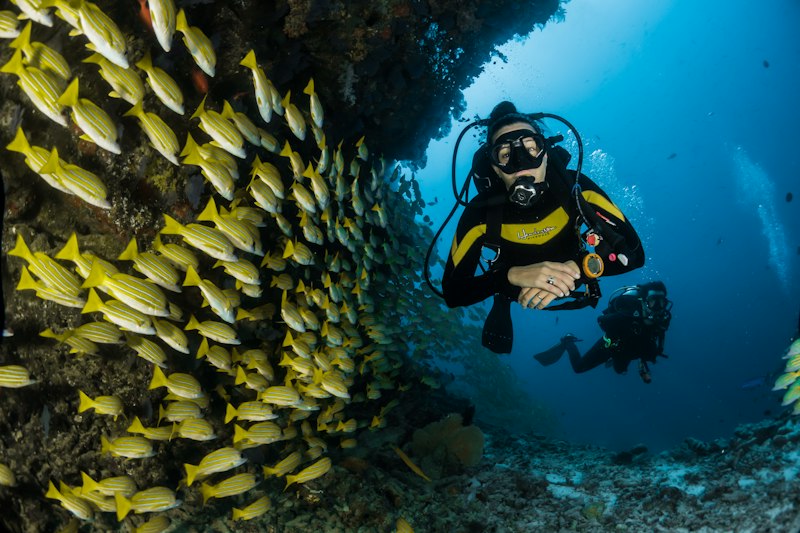
November through April is the window to target in an El Niño year. It's outside the elevated hurricane season, the days are warm and dry rather than scorching, and it overlaps with humpback whale season (December-March), when gray and humpback whales migrate past the tip of the peninsula. That's the trip most people actually want.
Spring — March and April — is arguably the sweet spot: whale season is winding down but still active, daytime temperatures sit in the high 20s Celsius (low 80s Fahrenheit), and the Pacific has settled down. It's also less crowded than the December-January holiday peak.
If you're locked into a summer trip, you're not doomed — Cabo handles summer tourism every year — but book refundable lodging, watch the National Hurricane Center outlook, and have a Plan B. Summer storms in the eastern Pacific can spin up fast.
What Changes: Sea Temps, Fishing, and Cruises
Warmer Water
El Niño pushes sea surface temperatures off Cabo noticeably above normal — often 1-2°C (2-4°F) warmer by late fall. Swimmers notice it as a warmer-than-expected ocean in November and December, which is actually a plus for beach time. The flip side is that warm water is fuel for the storms mentioned above.
Sport Fishing
Cabo brands itself as the marlin capital of the world, and El Niño reshuffles that. Warm-water species — dorado, yellowfin tuna, wahoo — tend to show up earlier and closer to shore as the water warms. Striped marlin, the flagship billfish, become less predictable: in strong El Niño years the big concentrations can scatter or push offshore. If you're booking a charter, ask the operator what's been biting that week rather than assuming the classic marlin season holds.
Mexican Riviera Cruises
El Niño increases eastern Pacific storm activity, which ripples into cruise itineraries. Mexican Riviera sailings out of Los Angeles and San Diego — the ones that call at Cabo and Puerto Vallarta — face a higher chance of last-minute route changes during the summer and early fall. If you're weighing a Mexican Riviera cruise against a Caribbean one in an El Niño year, the Caribbean is the safer bet on storm risk.
Month-by-Month Outlook
October-December 2026: Hurricane season winds down, but an active El Niño Pacific can spin up late-season storms. By December the risk drops sharply and whale season kicks in. Sea temperatures run warmer than normal.
January-March 2027: The prime window. Dry, sunny, and safely outside storm season, with humpback whales passing offshore. Water is still warm from the El Niño pool, making January swimming unusually pleasant.
April-June 2027: April is ideal — warm, calm, still some whales early in the month. As May arrives, the eastern Pacific hurricane season begins, and El Niño's influence means an earlier-than-normal start to the activity is possible.
July-September 2027: The riskiest stretch in an El Niño year. If you travel in this window, monitor forecasts closely and keep bookings flexible.
Practical Tips for an El Niño Cabo Trip
- Book November-April when possible — you avoid the elevated hurricane window and get whale season as a bonus.
- Choose refundable lodging in summer — eastern Pacific storms develop fast, and flexible dates are your safety net.
- Check the NHC before summer travel — the National Hurricane Center's eastern Pacific outlook is your best early warning.
- Ask charters what's biting — don't assume marlin season; El Niño scrambles the usual fish calendar.
- Pick the Caribbean over the Riviera for cruises — in an El Niño year, Atlantic storm risk is suppressed while Pacific risk is elevated.
For the full picture on El Niño travel planning, see our El Niño Travel Guide and the El Niño 2026 hub.